


“Everyone knows that Thoreau is at or near the top of the list of American thinkers and writers. But as this lovely volume reminds us, he was also a world-class noticer, a remarkable and original observer of all things natural.”
— Bill McKibben, author of Deep Economy
— Bill McKibben, author of Deep Economy

To Buy the Book —
- Shop at Walden Pond
- Bookshop.org
- Yale University Press
- Ask your local bookseller!
- Follow the book on Twitter
“Geoff Wisner's Thoreau's Animals gives the reader the opportunity to approach the animals of Thoreau's Concord as Thoreau would: from unexpected angles, from a different view, unhurriedly, with deliberation and sympathy.”
— Jeffrey Cramer, editor of Walden: A Fully Annotated Edition
— Jeffrey Cramer, editor of Walden: A Fully Annotated Edition
What's Happening —
I'm delighted to report that Thoreau Farm in Concord, Massachusetts, has organized a whole series of programs around my upcoming book A Year of Birds.

Saturday, May 11 at 6pm
$15 to attend at Thoreau Farm Register
$10 to attend online Register
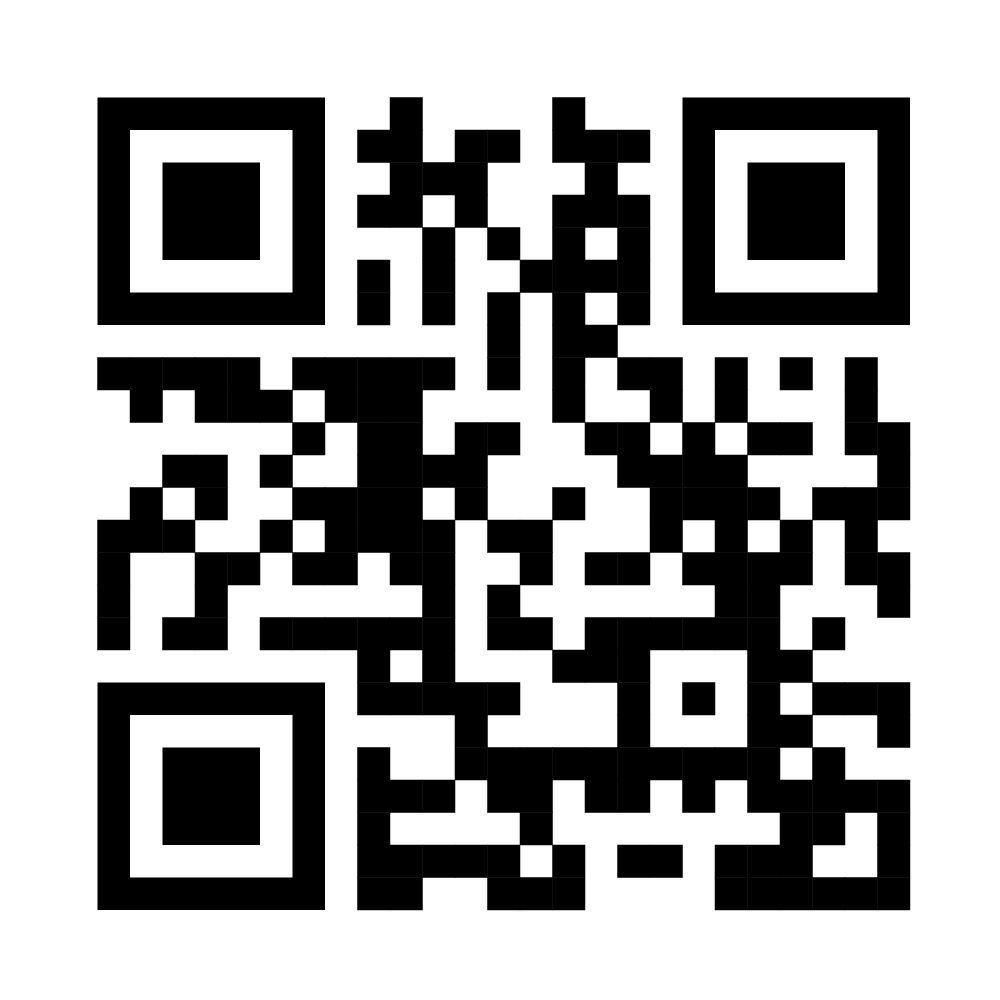
To get your copy as soon as possible, and to benefit the Thoreau Society, use this link or the QR code below. Thank you!
— Recent Publications —
Book Review: Chronicles From the Happiest People on Earth by Wole Soyinka
(Wall Street Journal) September 24, 2021
(Wall Street Journal) September 24, 2021
At the Doorway of Solitude
(Phi Kappa Phi Forum) Fall 2020
(Phi Kappa Phi Forum) Fall 2020
Book Review: They Want to Be Alone
(Wall Street Journal) March 20, 2020
(Wall Street Journal) March 20, 2020
Book Review: Six books on trees
(Wall Street Journal) April 13, 2019
(Wall Street Journal) April 13, 2019